Thursday, July 26, 2012


College Planning: The Details Part 2

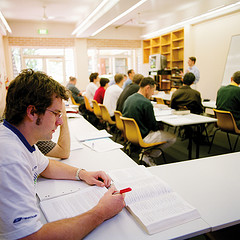
College is a great time to begin budgeting – a skill that will benefit anyone for the rest of their lives. In the first part of this post, we discussed the importance high school graduates preparing for the investment of college before they start. The conventional wisdom that you have to go to college to get a high-paying job is no longer always accurate. As with any financial decision, going to college should include weighing the pros and cons of the cost and reward. If your child has weighed these options and decided that college is the best financial decision, there are many resources to help figure out how to pay for college and how to choose the right school. 


Thursday, July 19, 2012


College Planning: The Big Picture Part 1

Would you give your 10 year old your car keys and let him drive?  Would you let him drive on the turnpike?  Of course not – any parent would be deathly afraid for his safety and the safety of others.

Just as you wouldn’t let your unprepared 10 year old behind the wheel of the car, you do not want to let your high school graduate go to college without the proper preparation. In many ways, this is what we're doing with our kids and grandkids in college planning. We’re asking teenagers to make decisions about their future and their careers, when they are not prepared. Teenagers don't have the fiscal maturity to understand financing their college education, which is quite possibly putting them and others at risk.

Thursday, June 28, 2012


How to Practice Good Budgeting Habits: Part 2 
Previously, in Part 1 of this blog post, we wrote about finding a role model, changing your outlook, and cultivating discipline to practice good budgeting habits. Read on to find out how setting goals, developing a system and living below your means are key in being financially successful.

Plan your Spending and Know Where Your Money Goes
Once you have cultivated discipline, the next step is to set some goals and prioritize the things you want. This is an opportunity to start setting aside money for things you may not need yet, but will need in the future. For example, you may start budgeting for long term care after retirement. If you plan ahead and keep track of your spending, patterns start to emerge that tell you where problems areas exist.

Thursday, June 21, 2012


How to Practice Good Budgeting Habits: Part 1 
Some subjects seem easy to discuss openly, but shouldn’t be, such as talking about one’s sex life. Conversely, when it comes to speaking up about one’s ability to practice good budgeting habits, why does it seem such a taboo topic? Finding ways to better manage your money is the key to financial freedom.

According to a recent study by the University of Kentucky, people who win only $10,000 are just as likely to file for bankruptcy in five years as those who win $150,000*. Statistics say that a whopping 44% of winners spend their entire earnings within the first 5 years**. As the saying goes, if you can’t learn to manage a little money, you won’t be able to manage a lot. The first in a 2-part series (see Part 2 here), here are some tips to get you started practicing good budgeting habits to ensure a prosperous future for you and your loved ones.

Tuesday, May 29, 2012


Long Term Care - What You Need to Know to Plan for Retirement

With Baby Boomers beginning to reach age 65, the topic of long term care is drawing increasing attention. Unfortunately, long term care is often misunderstood and, as a result, is poorly planned for, if at all.

Long term care refers to a range of services from home health care, to assisted living, to skilled nursing homes. These nursing homes provide assistance and support to manage and meet personal and health needs. Long term care does not always refer to medical care, it may simply be to provide assistance with “Activities for Daily Living”, or ADLs, including eating, bathing, dressing, toileting, transferring, or continence. Long Term Care may be needed for weeks, months or years.